hopscotch
I do not believe that there was ever a question of being abstract or representational. It is really a matter of ending this silence and solitude, of breathing and stretching one’s arms again. Mark Rothko, excerpt from The Romantics were Prompted
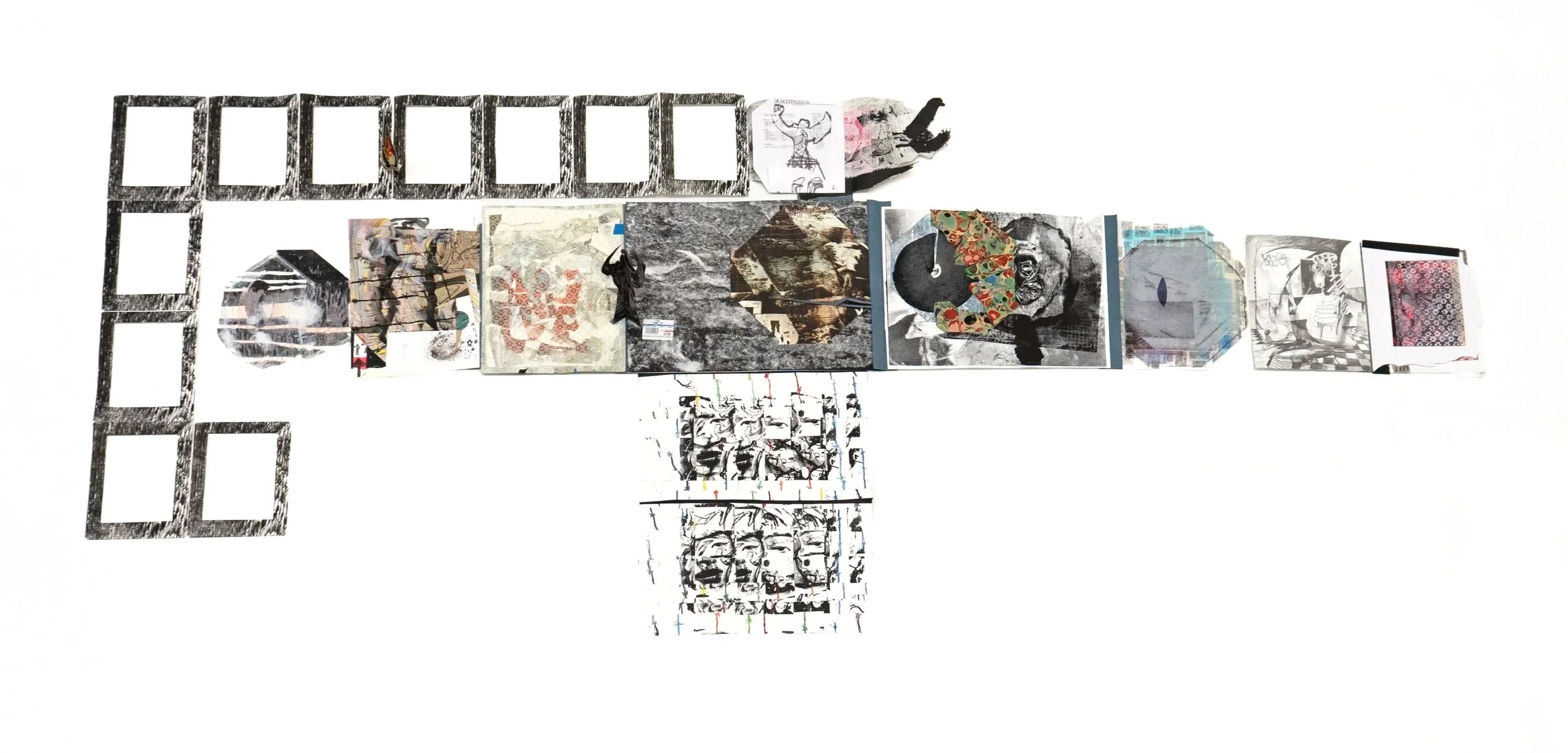
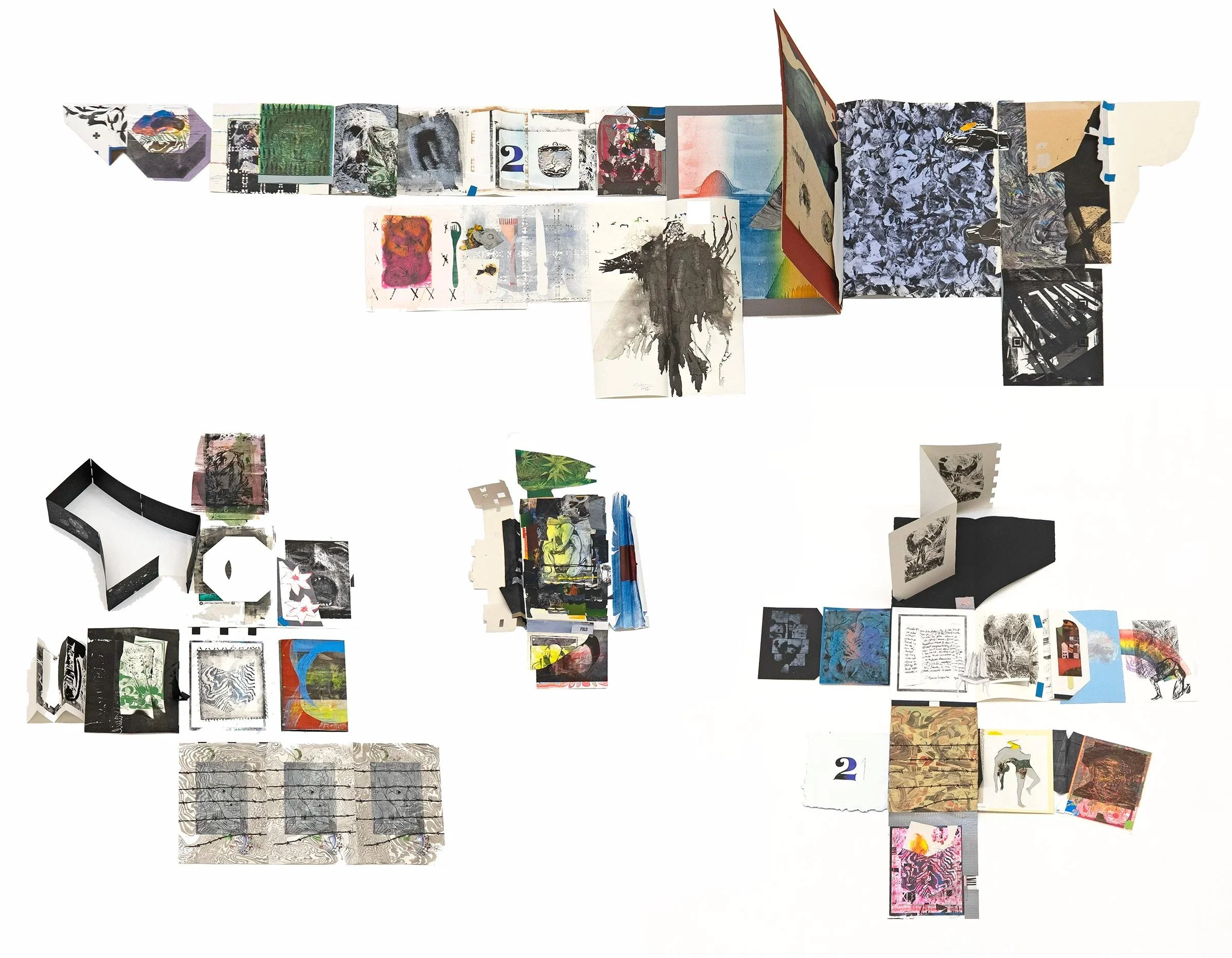
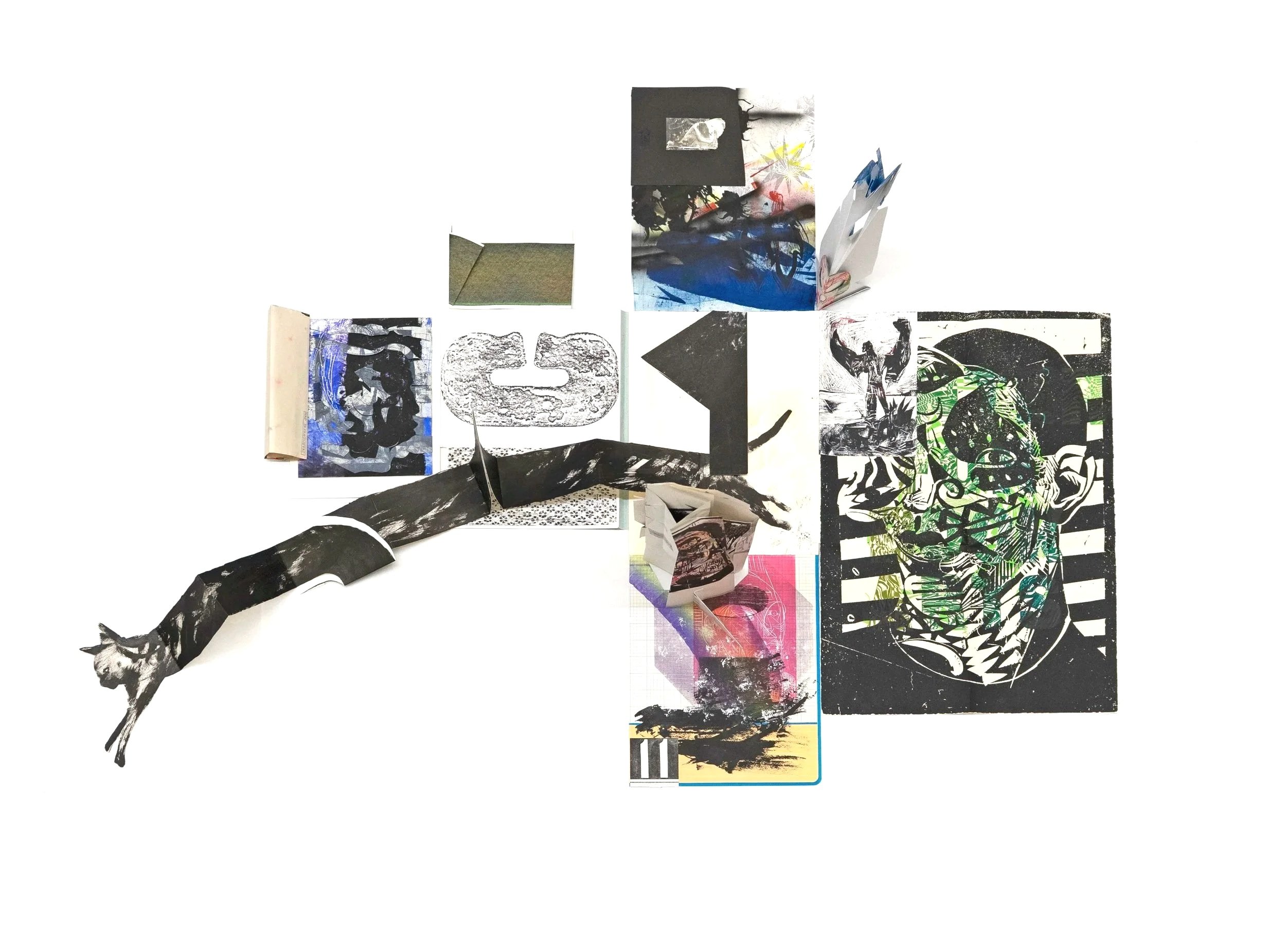
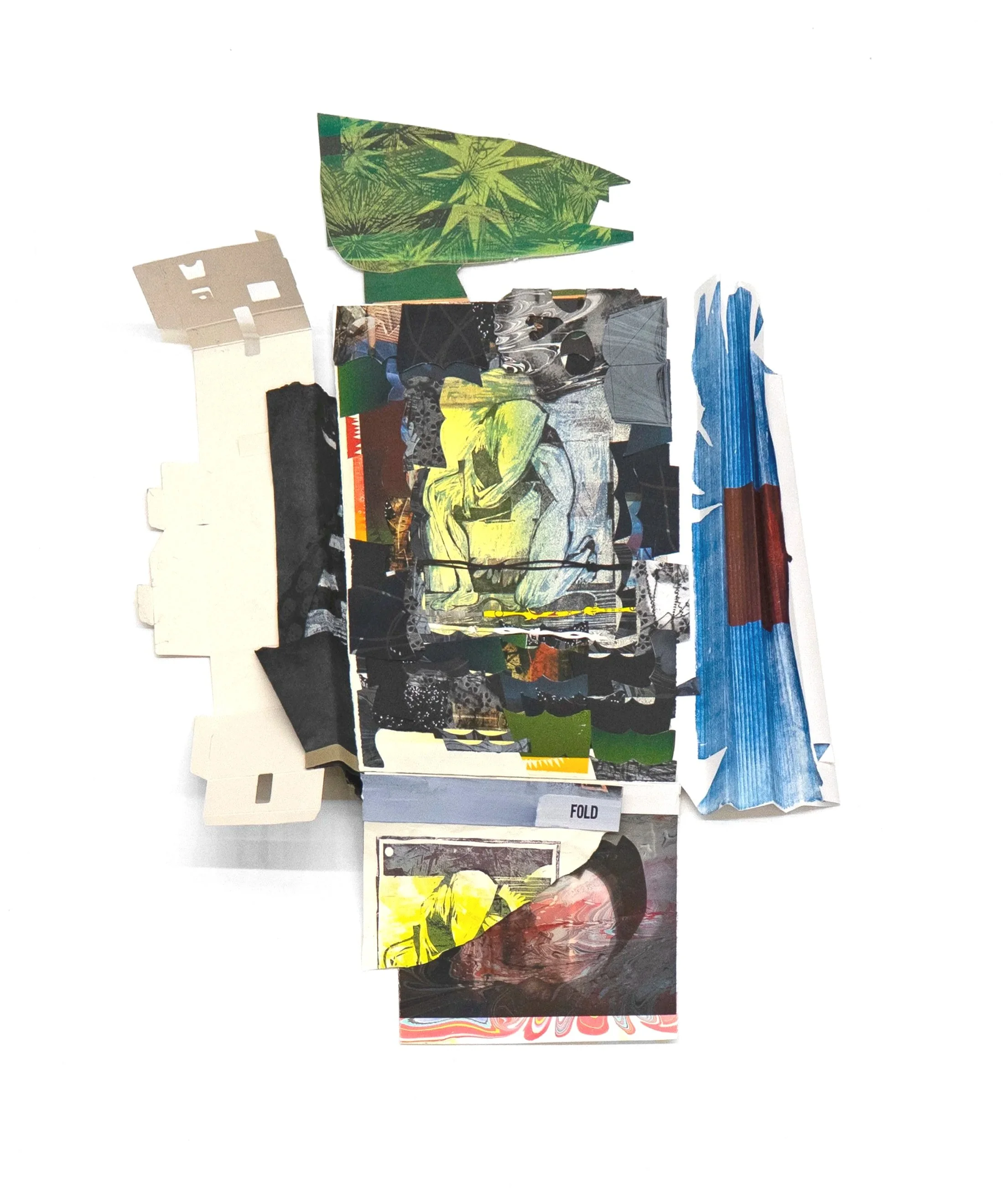
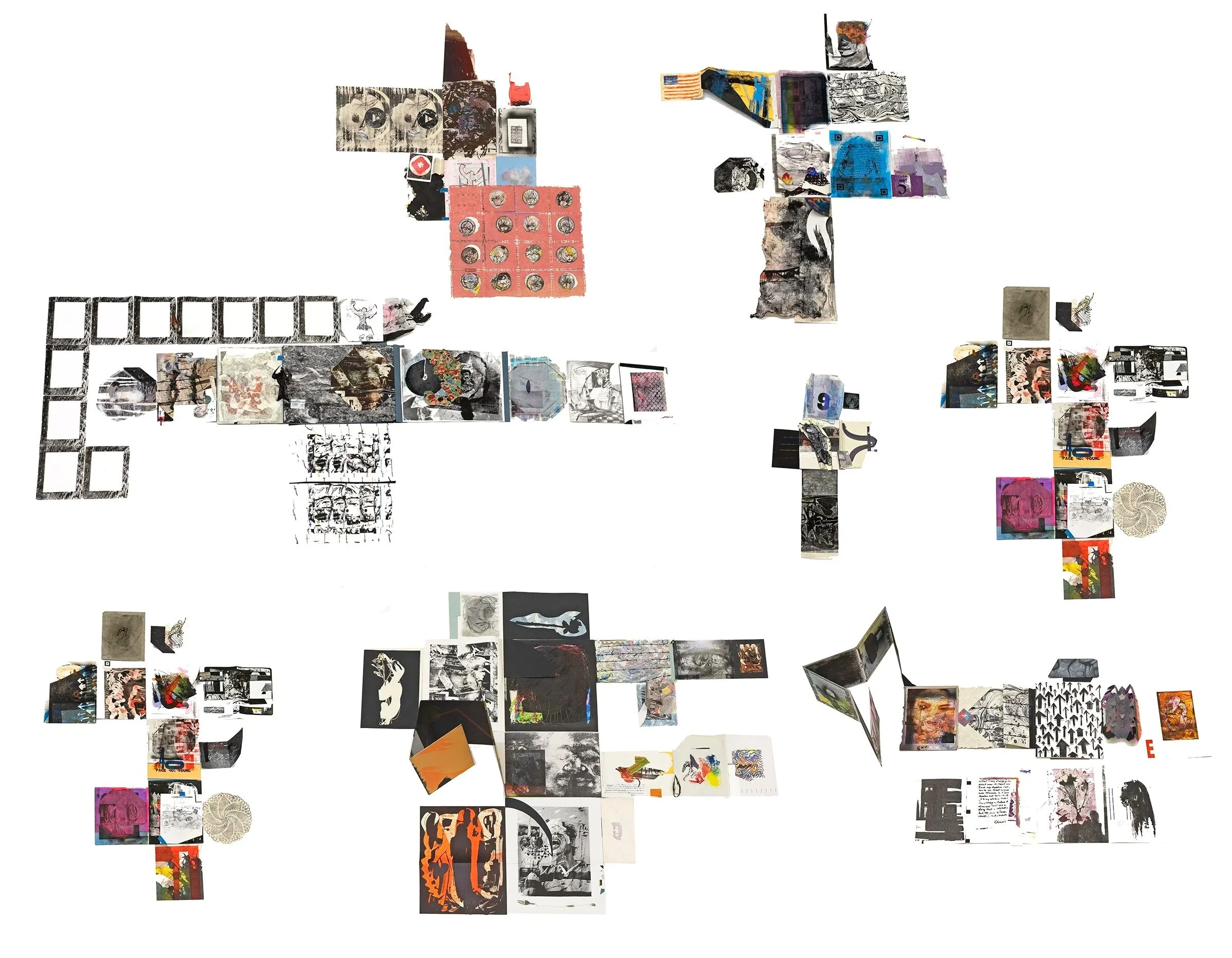
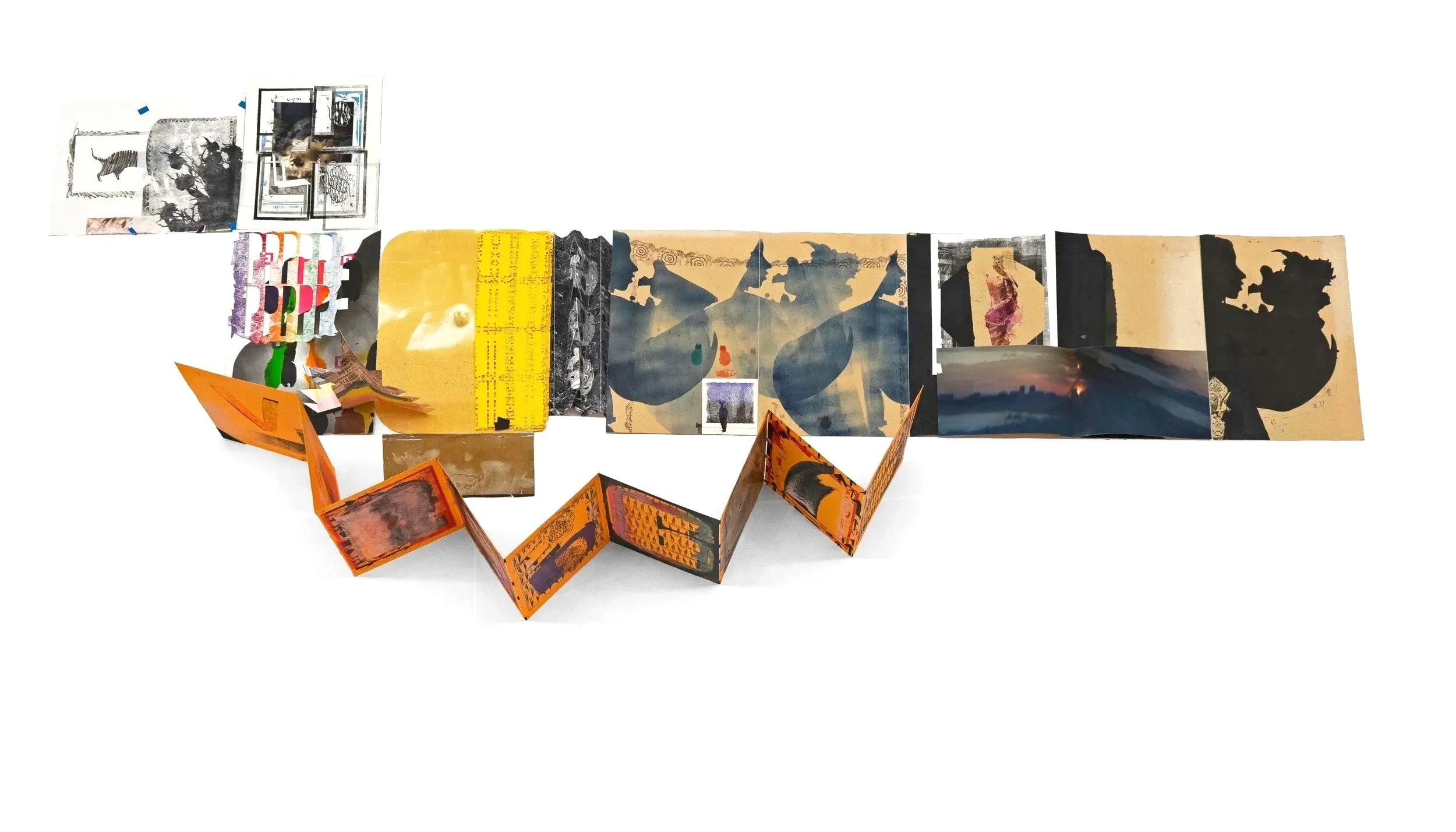
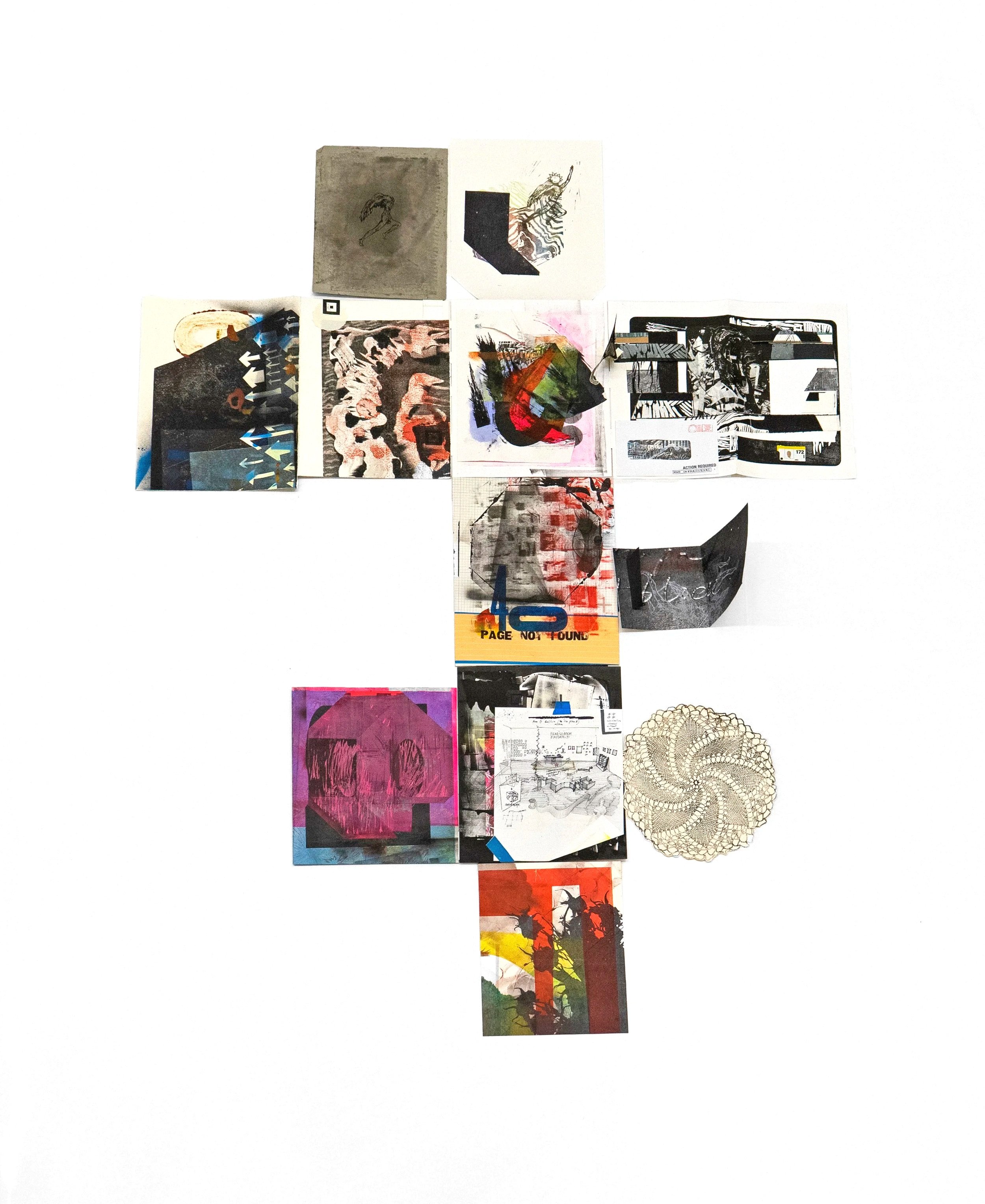
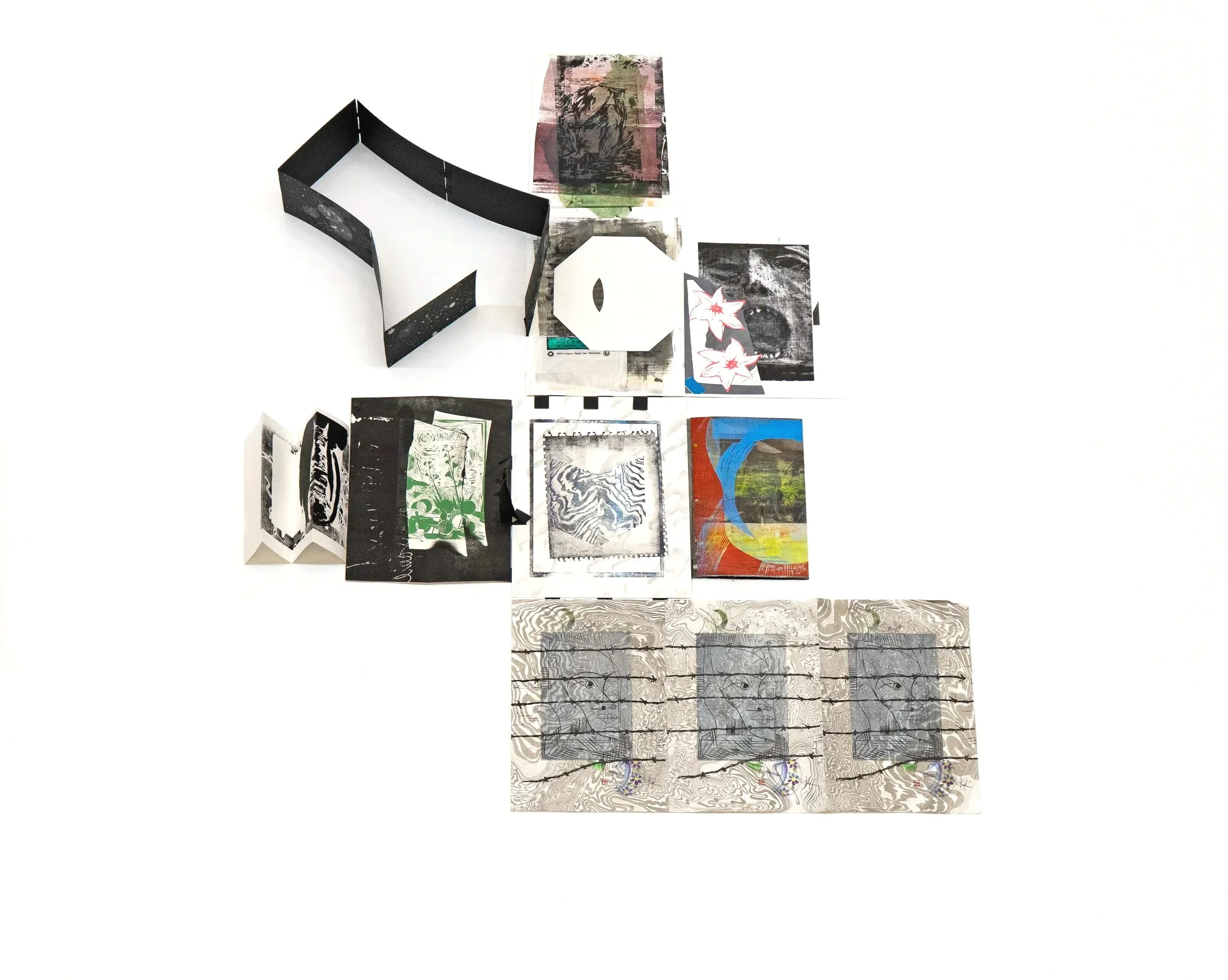
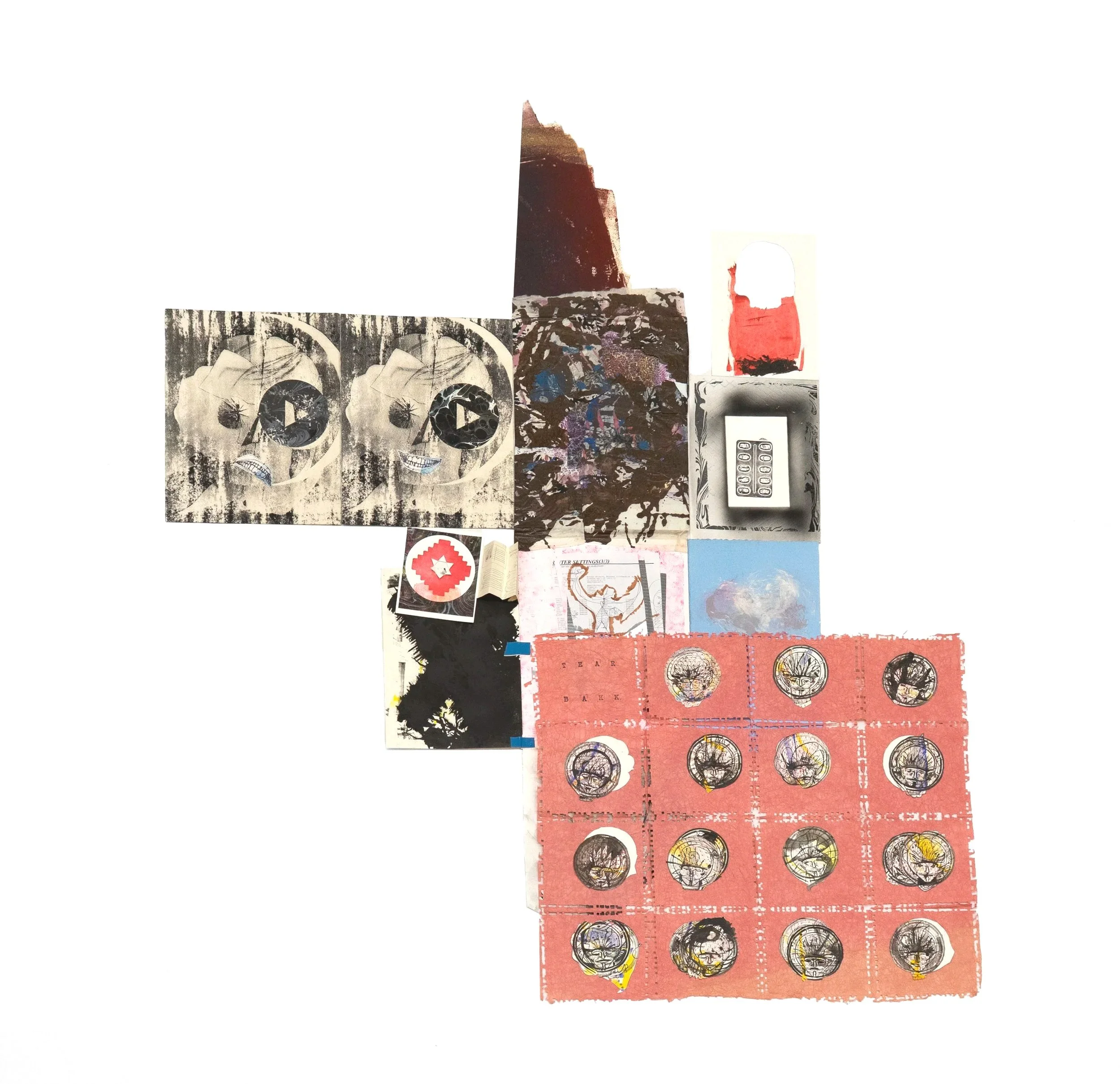
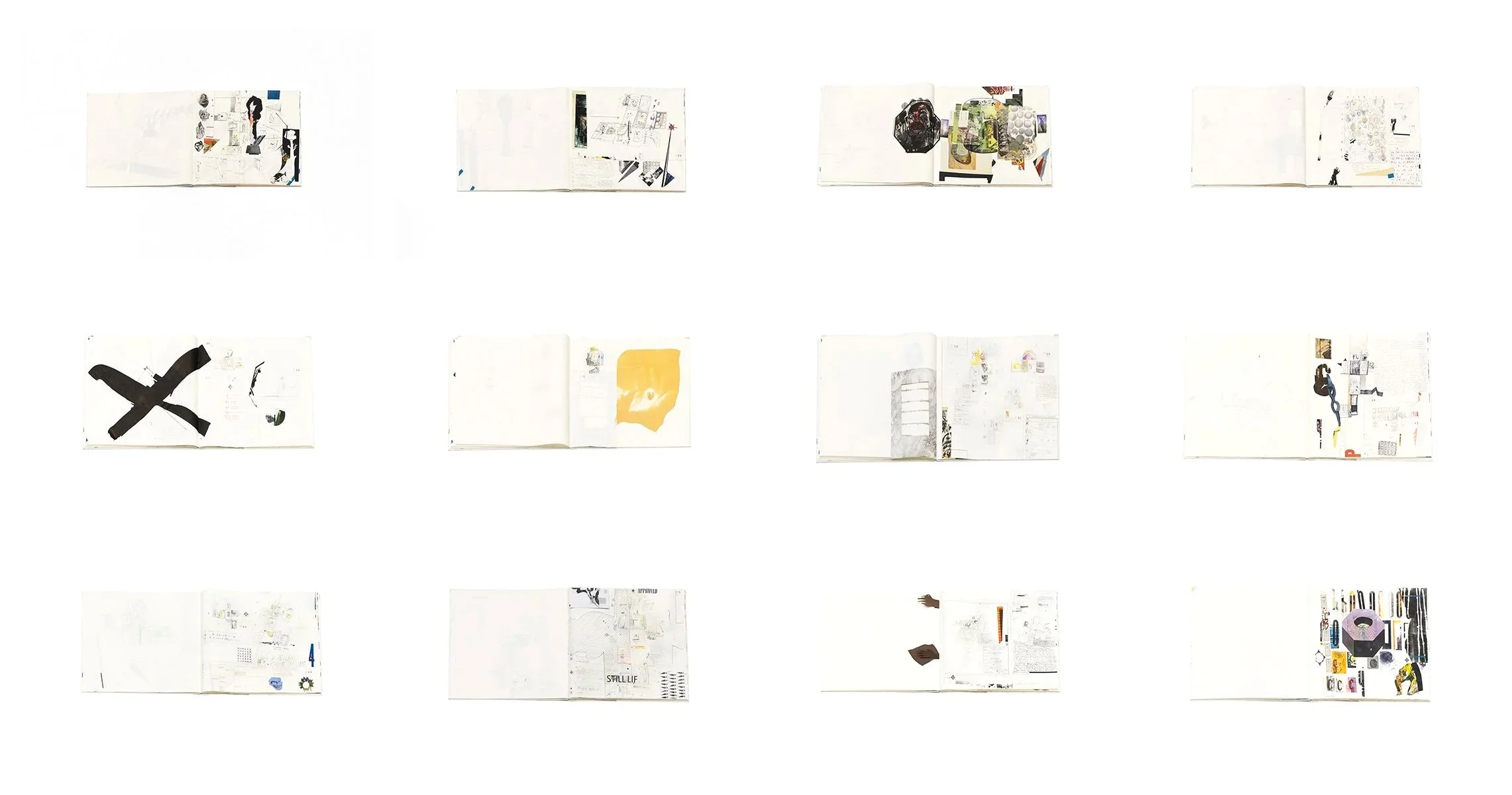
A gargantuan accumulation of two decades of experimentation lies hidden beneath beds, inside drawers, and behind closet doors. At once burden and blessing, this creeping surplus of chemically imbalanced prints, lost editions, first drafts, mischievous book prototypes, carbon copies, drawings, and schedules forms a personal archive of previously unseen work. It is a record of risks and missteps, abandoned and borrowed aesthetics, Pyrrhic victories and other chimeras.
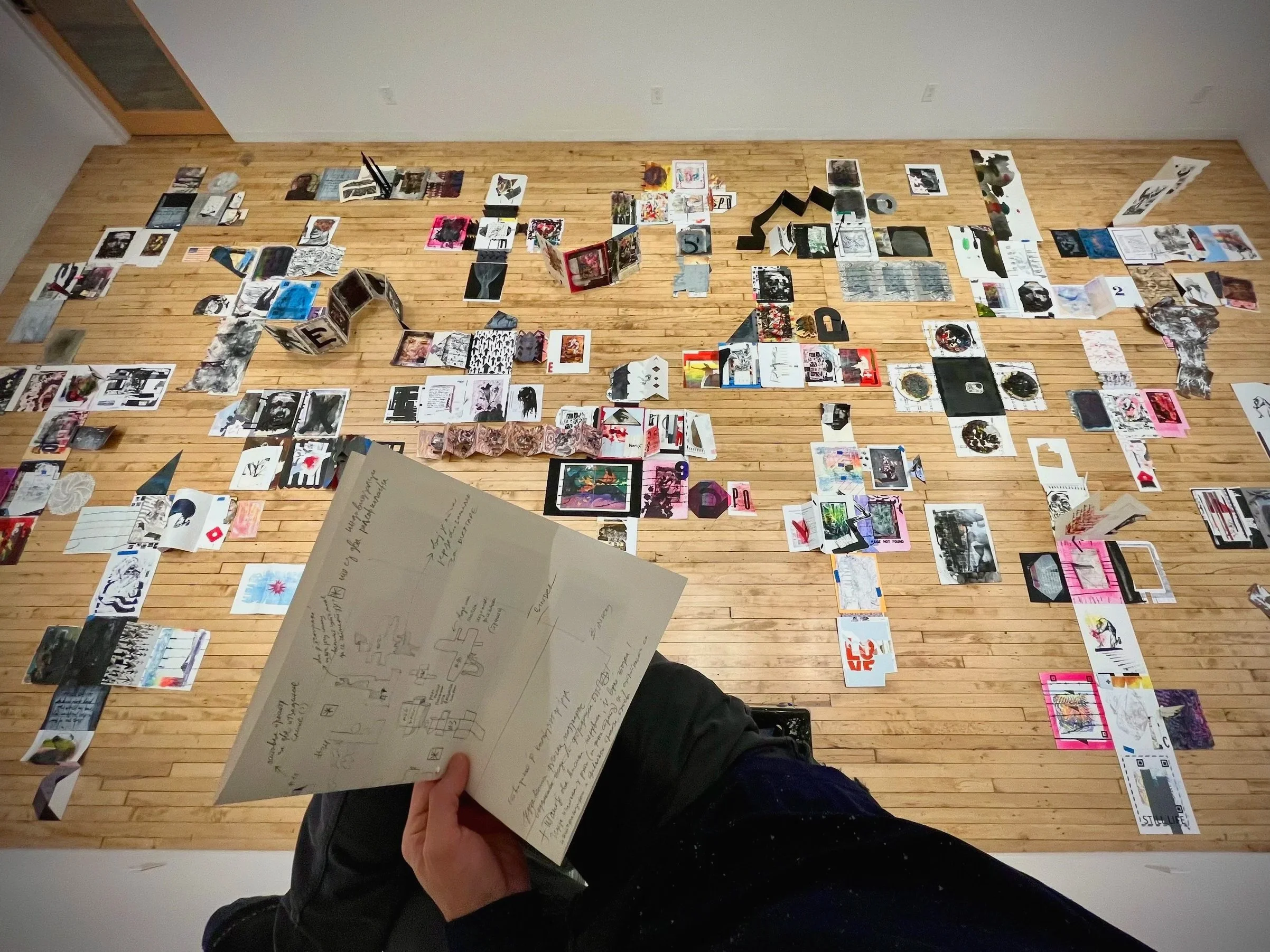
The Hopscotch project emerged during a languid afternoon on the Adriatic coast in the summer of 2023, sparked by the realization that this shadow library amounted to an uncensored self-portrait—a dirtier, less romanticized image of my own history. The process of liberation began that following autumn and unfolded over two years of excavating the archive and transforming it into a newly counter-mapped territory. Hopscotch became a roadmap of interwoven ideas, unfinished sentences, overprinted curiosities, and wandering illusions.
The title borrows from Julio Cortázar’s novel Hopscotch (Rayuela, 1963), in which readers are encouraged to determine their own path through the text. In the suggested opening chapter—Chapter 73—a parable recounts a man who stared daily at a screw at his doorstep. What began as a communal irritation and object of ridicule gradually transformed into a symbol of civil disobedience, then resistance, and ultimately peace. Like Aleph—a universe condensed into a single point—this notion of totality in miniature threads throughout the project as a recurring leitmotif in the form of a freestanding print of a hexagonal nut. Foldouts rely on other repeated images and prints, too, that function as synapses linking disparate fragments.
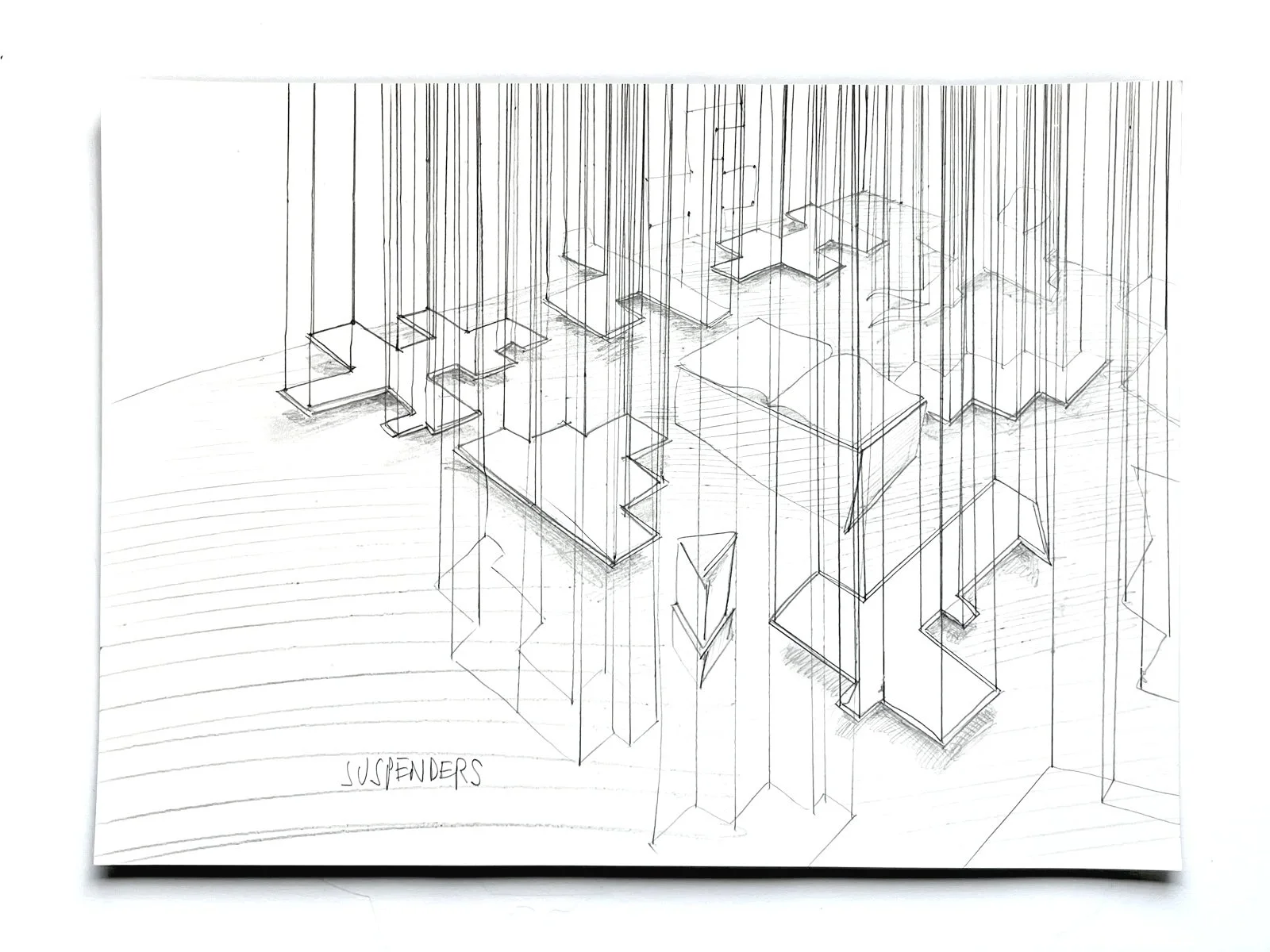
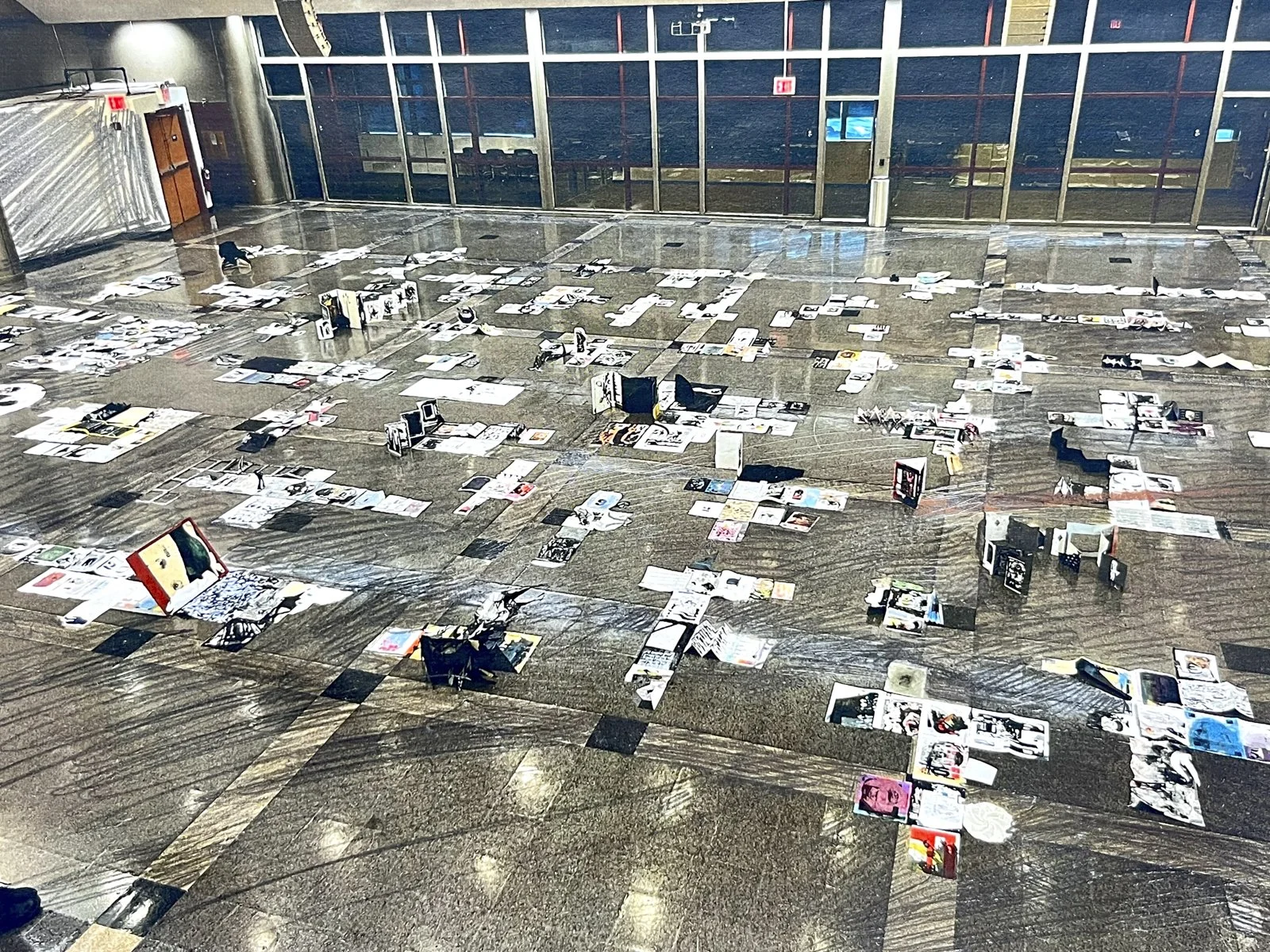
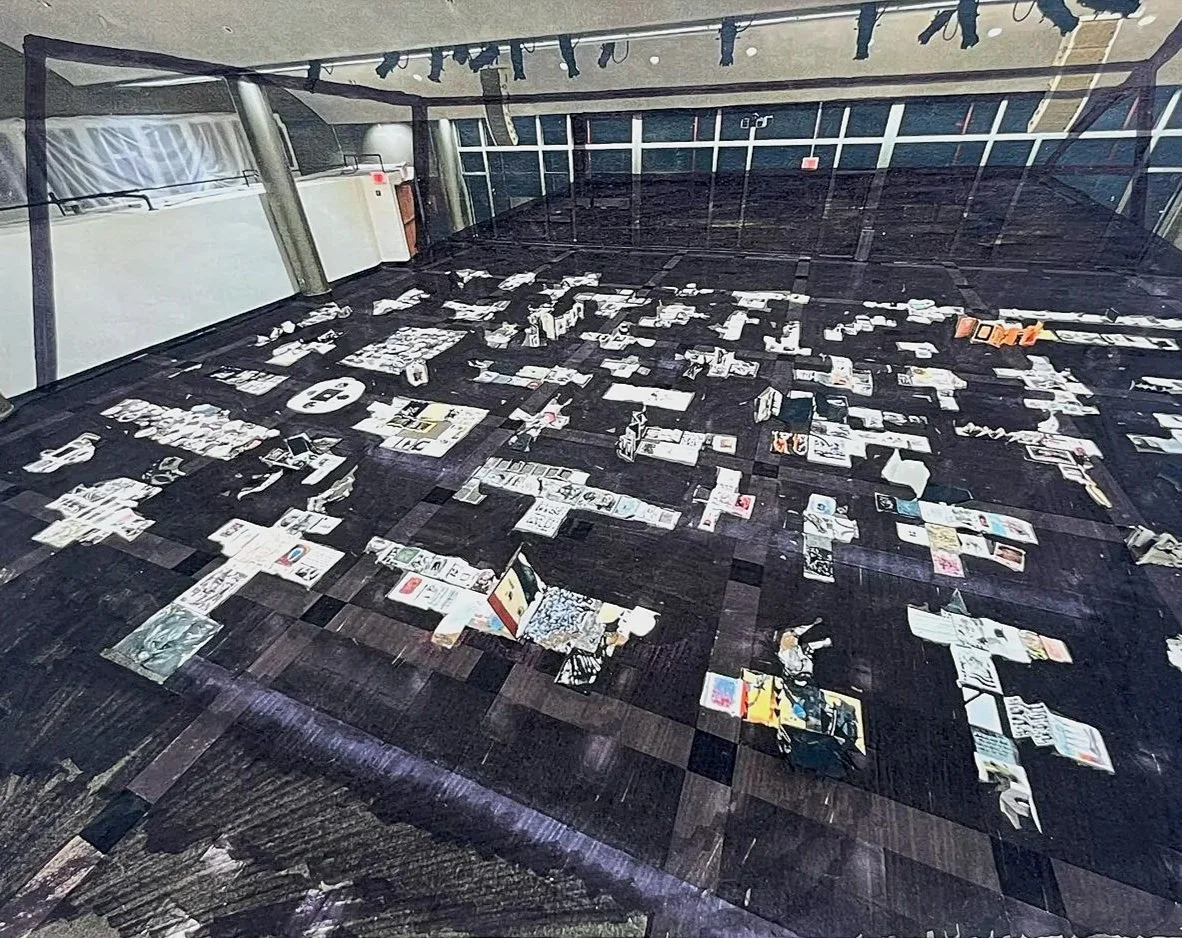
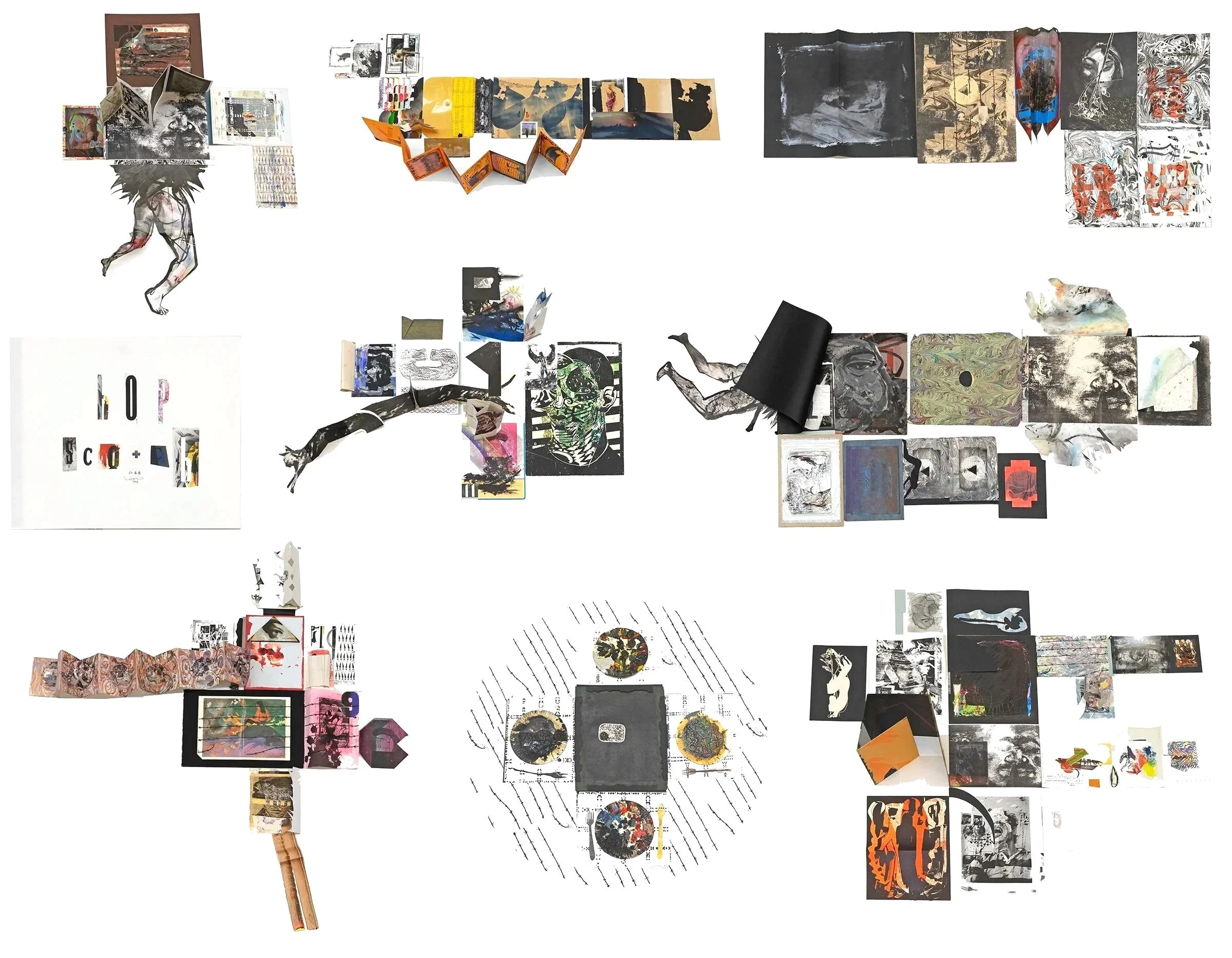
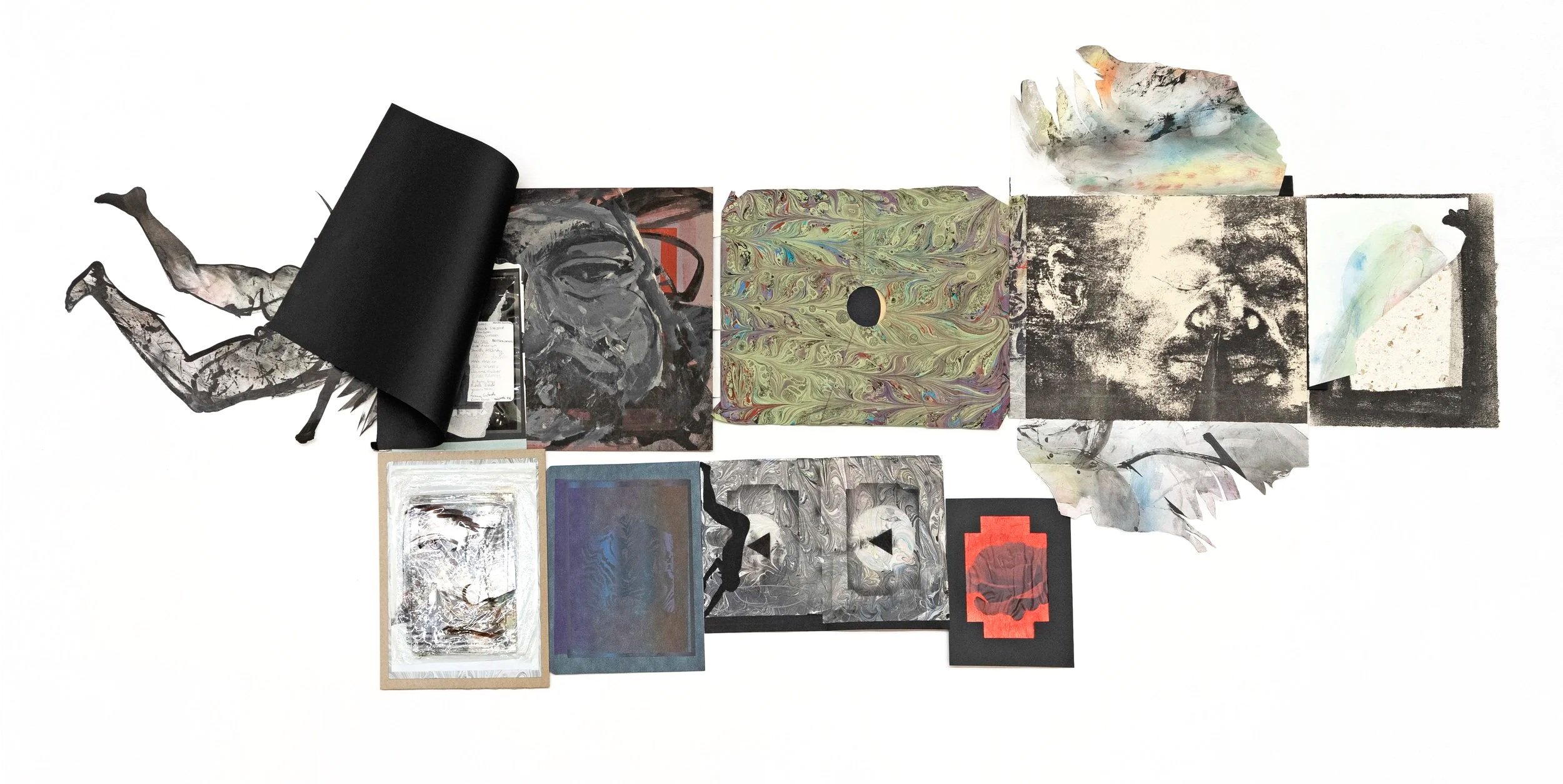
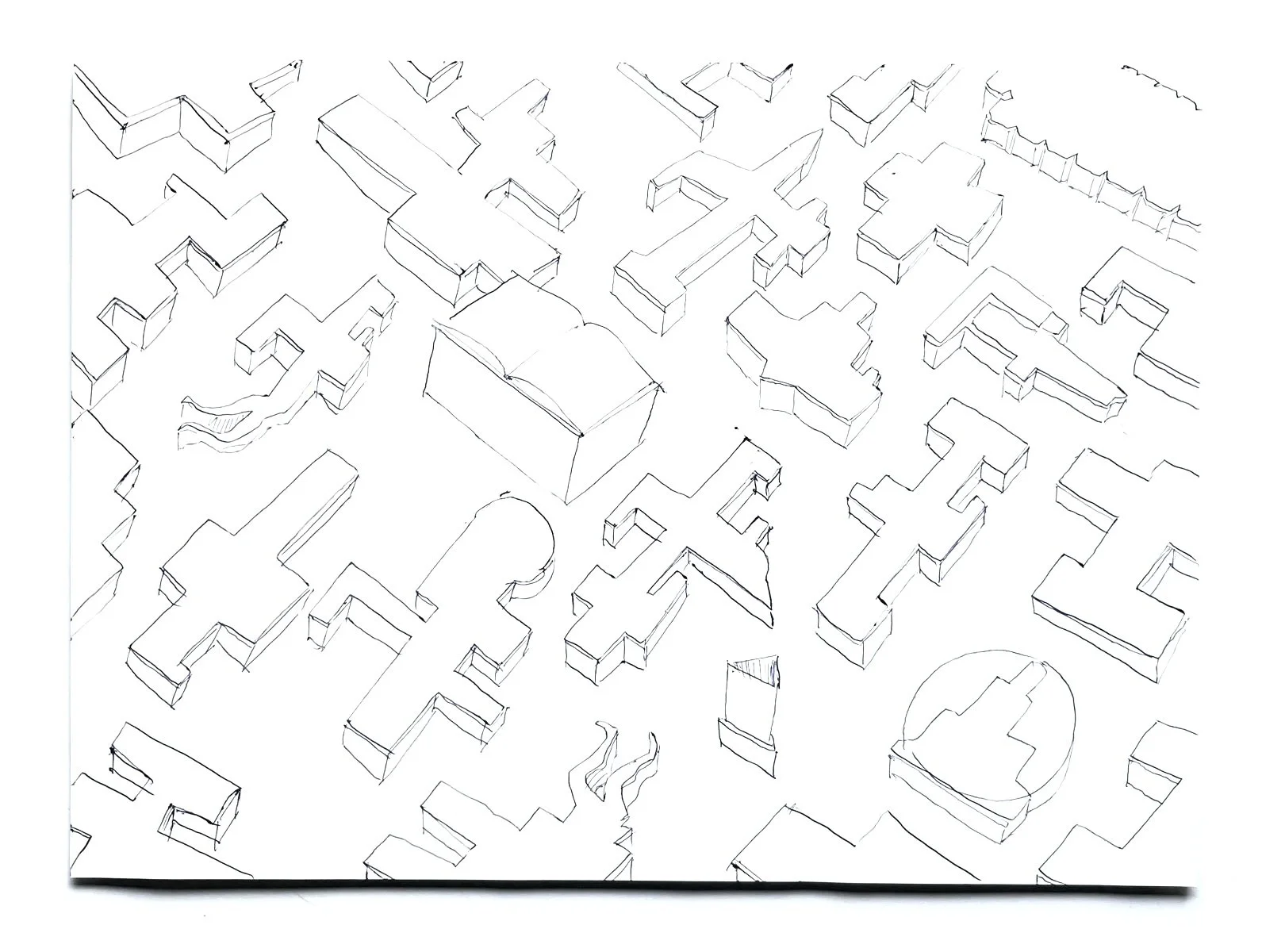
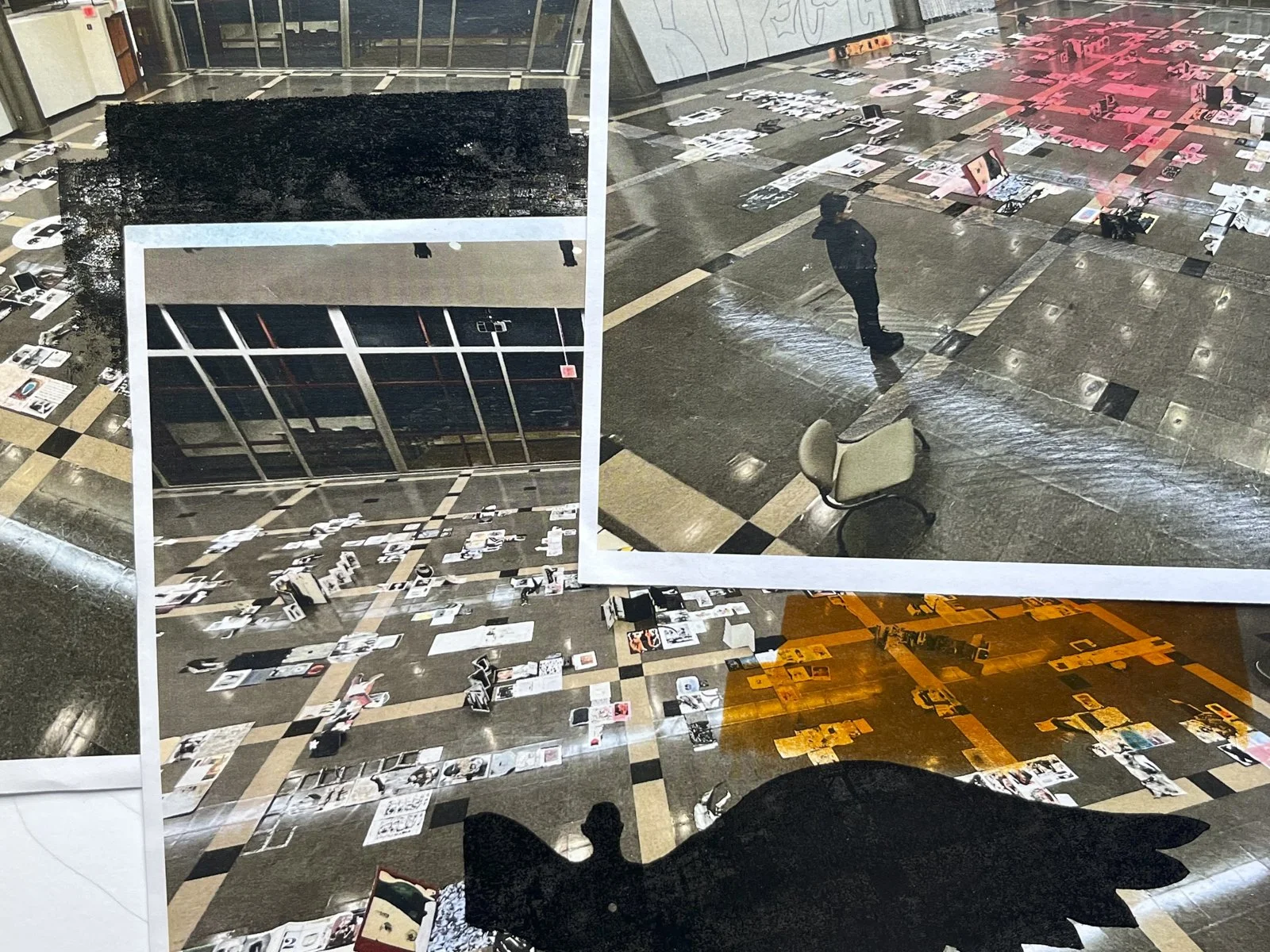
The project takes the form of a knee-deep labyrinth composed of sixty foldouts of different sizes and structures. Their forms evoke childhood games—hopscotch, certainly, but also twister, monopoly, chess, and the invented paracosms of children’s private worlds. They conceal as much as they reveal. The installation is filled with visual ambiguities and ambushes, repetitions and traps, portals and dead ends. Highly adaptable, the floor installation can expand to cover up to 2,400 square feet.
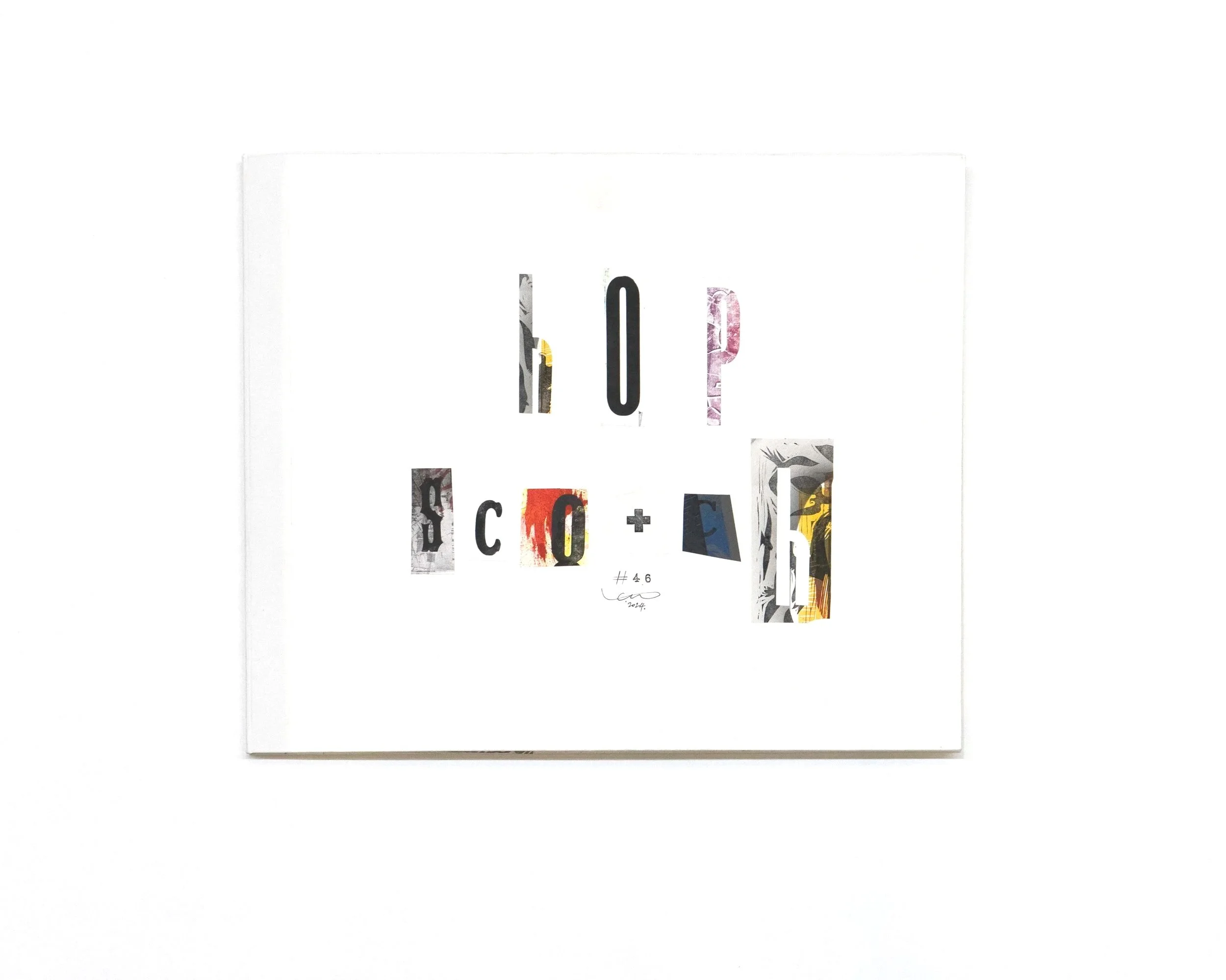
The sole exception is Foldout #46: an oversized hardcover book measuring 24 by 24 inches, produced on warm white lightweight Rives BFK paper. Functioning as an atlas of the entire project, it contains drawings of every open form—including itself—accompanied by data, intimate annotations, poems, and links.